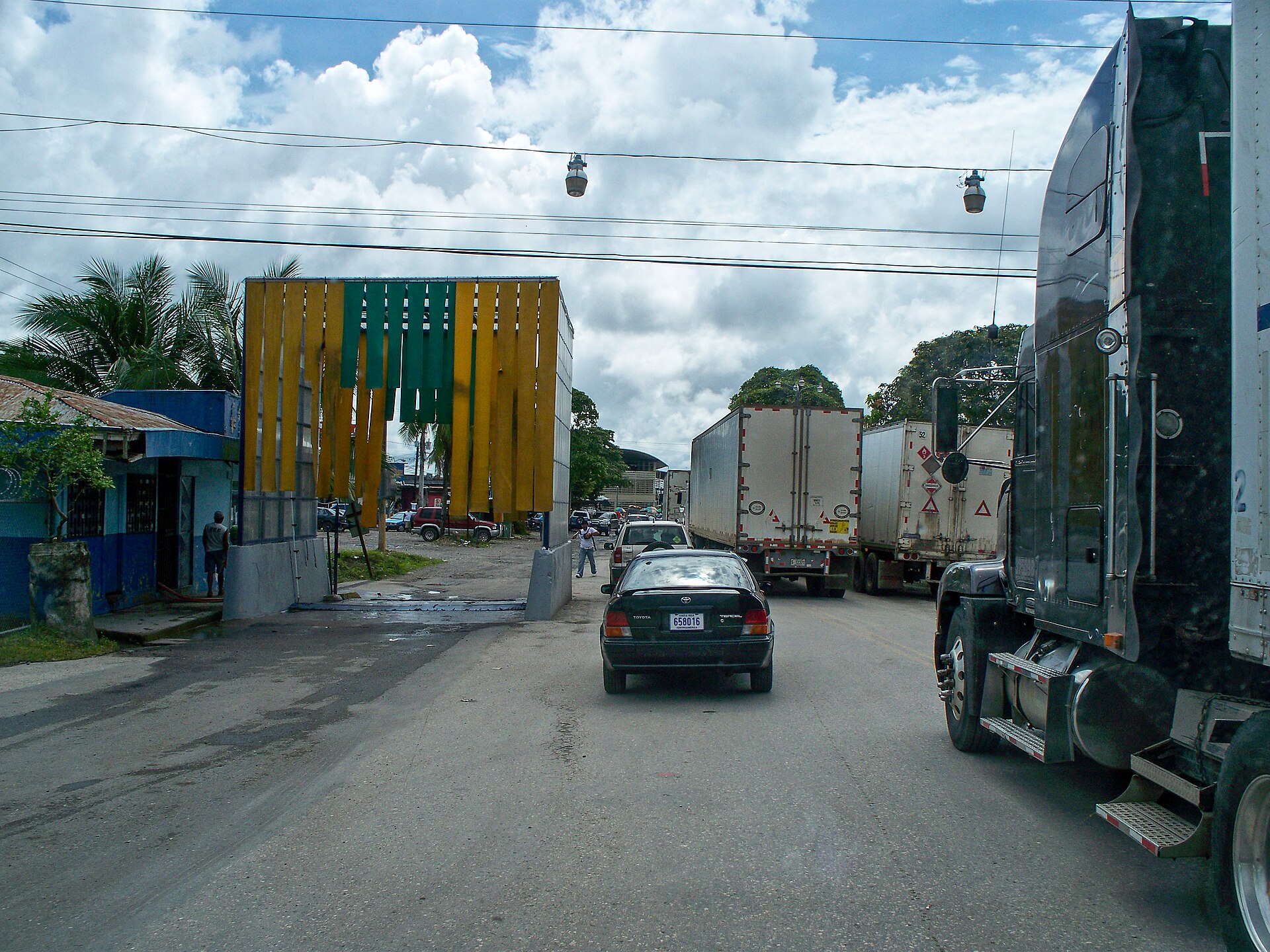
Practical guide to navigating Costa Rican roads — peajes, Waze vs Google Maps, police stops, topes, night driving, and fuel stops for first-time visitors.
Updated
You picked up the rental at SJO or LIR, insurance paperwork finally done — now the real Costa Rica begins on two-lane mountain highways with surprise speed bumps and chickens. Driving here is absolutely doable for foreigners; it just rewards preparation.
Navigation: Waze wins
Download Waze before leaving airport Wi-Fi. Costa Ricans use it religiously for:
- Traffic and accidents on Route 27
- Police checkpoints (often reported — drive legal and calm)
- Road closures during landslides (green season)
Google Maps works for basic routing but Waze’s crowd data is stronger locally. Enable offline maps for rural stretches near Monteverde or Caribbean hills.
Set destinations to named towns or businesses, not GPS pins in rivers — common error on beach routes.
Tolls (peajes): cash and patience
Costa Rica’s best highways charge tolls:
| Highway | Typical use | Payment |
|---|---|---|
| Route 27 | SJO → Pacific (Caldera, Jacó, Manuel Antonio connection) | Cash booths |
| Route 1 | Central valley north to Arenal corridor | Cash booths |
| Route 32 | SJO → Limón (Caribbean) | Cash booths |
Tips:
- Carry colones in small bills — ₡1,000–5,000 notes
- USD often accepted at ~exchange rate; change may be colones
- Ask at rental counter if vehicle has QuickPass toll tag (rare but saves fumbling)
- Budget ₡3,000–8,000 per major corridor crossing (amounts change — Waze sometimes notes fees)
Topes: the speed bump national sport
Every town installs topes (speed bumps) — often unmarked or poorly signed. They destroy suspensions at 40 mph.
- Watch for yellow signs or painted stripes
- Slow to walking pace
- Waze users sometimes mark severe topes
Rental companies inspect undercarriage damage — slow down for your deposit’s sake.
Road conditions by corridor
Easy (first-timer friendly)
- Route 27 to central Pacific
- Highway to La Fortuna (Arenal guide)
- Guanacaste beach towns from LIR (beach guide)
Moderate
- Route 32 Braulio Carrillo to Limón — scenic, rain, occasional fog (Caribbean guide)
- Nicoya Peninsula ferry connections — schedule buffer time
Challenging
- Monteverde access roads — gravel, steep (Monteverde drive)
- Remote Osa, some Nosara access — see 4×4 guide
Police stops: stay calm and documented
Foreign plates and rental stickers attract occasional traffic stops — usually license, insurance, and alcohol checks.
Keep in glove box:
- Passport copy
- Driver’s license + IDP
- Rental contract showing LI coverage
- Emergency number from rental company
Police may issue on-spot fines for speeding or missing documents — legitimate stops exist; know your insurance is mandatory.
Do not pay unofficial “fees” without official receipt — rare, but reported in travel forums.
Fuel stops
- Regular (super) and diesel widely available on main routes
- Stations may be sparse on Monteverde approach — fill in Tilarán or Sardinal
- Credit cards usually work; cash backup wise in rural areas
- Return rental with contract fuel level — airport stations queue at peak hours
Night driving: skip if you can
Costa Rica’s road fatality stats improve yearly but night mountain driving remains risky:
- Pedestrians and cyclists without reflectors
- Missing lane paint
- Fog in highlands
- Topes in darkness
Plan arrivals before sunset when possible — especially first day from SJO pickup.
Parking and security
- Beach towns: use lit lots when available; empty car of valuables
- San José urban parking: ask hotel for secure lot
- Never leave passport in unattended vehicle
Accidents: what to do
- Do not flee — serious legal consequences
- Call rental company emergency line immediately
- Call 911 if injuries
- Photograph scene, other vehicle, documents
- Do not admit fault on scene — cooperate, document
- Your LI coverage handles third-party; CDW handles vehicle per your package
Bottom line
Waze, colones for peajes, daylight driving, and topes at crawling speed — master these four and Costa Rica by car opens up. Match vehicle choice to your routes, understand real rental costs so counter day does not drain your road-trip budget, and enjoy the drives that make a rental worth every colón.
Frequently asked questions
Does Waze work in Costa Rica?
Yes — excellently. Most locals and expats prefer Waze over Google Maps for real-time traffic, police reports, and road hazards. Download offline maps as backup for dead zones.
How do tolls (peajes) work in Costa Rica?
Major highways (Route 27, 1, 32) use cash booths in colones or USD. Have small bills ready. Some rental cars include a toll tag — ask at pickup.
Is it safe to drive at night in Costa Rica?
Avoid it when possible — limited street lighting, pedestrians on roads, missing signage, and mountain fog. If you must, stick to main highways and go slow on topes.